
In the art world, where dreams of recognition and success are as common as brushes and canvases, there are institutions that exploit those aspirations for their own profit. One such entity is the Italian gallery Dantebus, which attracts artists from around the world with enticing exhibition offers in Rome and Florence. But behind the facade of prestige lies a business model that raises serious concerns.
A Tempting Offer
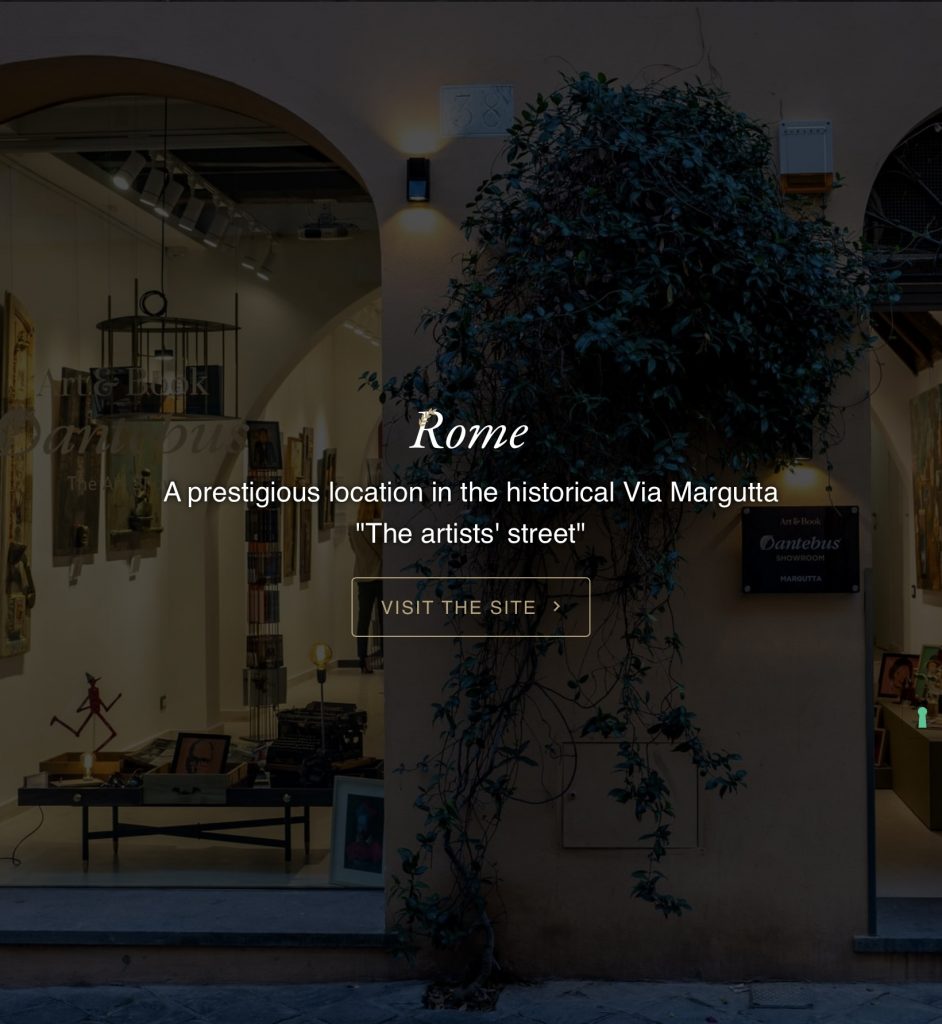
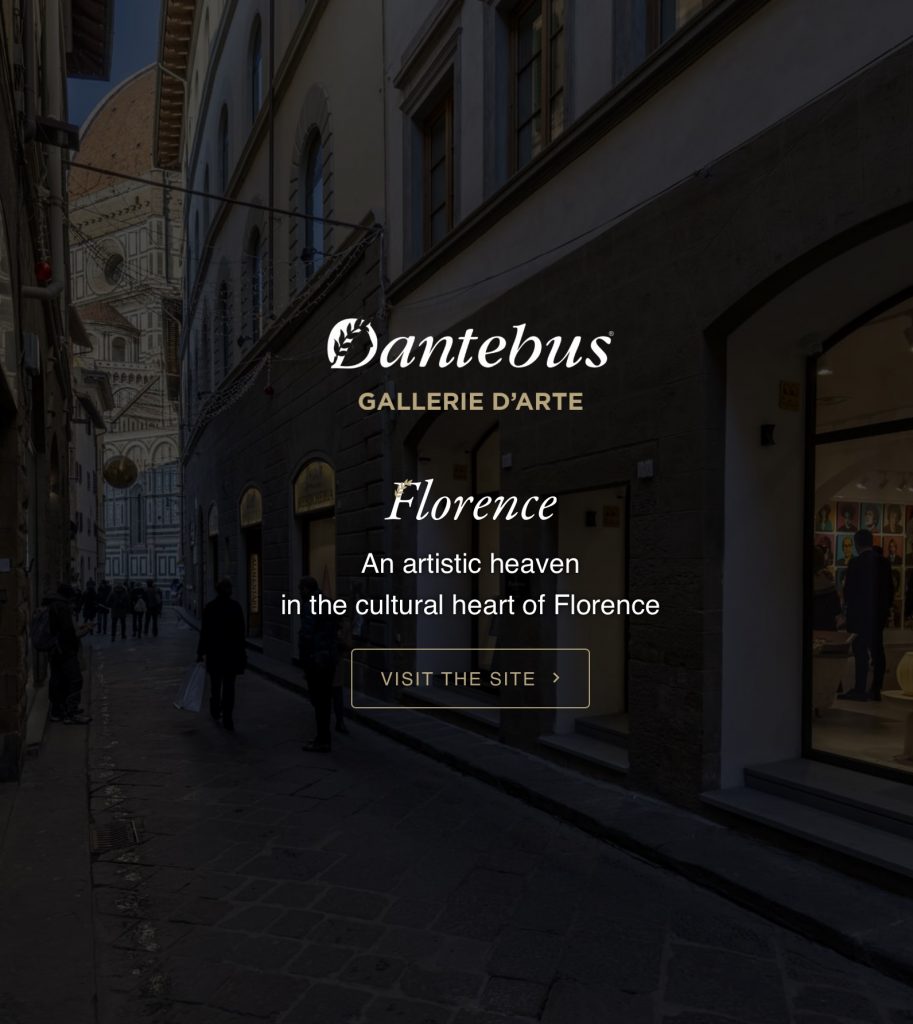
Dantebus offers artists the chance to participate in exhibitions at two seemingly prestigious locations: the Dantebus Margutta Gallery in Rome and the Dantebus Florence Gallery. For a one-time payment ranging from €999.90 to €2299.90, the artist is promised:
• participation in the exhibition with one artwork displayed,
• inclusion in a bilingual (Italian-English) catalogue with an ISBN number,
• a personal website and mobile app for one year, allowing for sales without commission.
Additionally, the gallery emphasises that it takes no commission from sales, and that the artist may attend the opening day for interviews and photos, supposedly increasing their exposure and chances of selling.
Hidden Costs and Lack of Transparency
While the offer may sound attractive—especially to emerging artists—there are several red flags:
• No sales data – When asked about previous exhibition sales, average artist earnings, or visitor statistics, Dantebus representatives respond vaguely, avoiding concrete figures.
• High fees with no guarantees – The fees are substantial, and with no commission taken from sales, it suggests the gallery’s primary revenue stream is the upfront payment, not art sales.
• No responsibility for the works – Dantebus clearly states that the artist is fully responsible for the shipping, insurance, and collection of their work, removing any operational obligation from the gallery.
Let’s Do the Maths: €85,000 for Prestige
According to the details provided:
• The Rome exhibition involves 30 artists paying €999.90 each = €29,997
• The Florence show includes 40 artists at €1399.90 = €55,996
• Artists who opt to show in both cities pay €2299.90 – sometimes in three instalments
This means that Dantebus earns over €85,000 from just two events, without having to sell a single painting or provide logistical support. These fees are not directed towards curators, sales staff, or public relations campaigns—because those services, in many cases, don’t exist.
Dubious Marketing Tactics
Dantebus also runs Facebook ads for “art contests”, where the winner supposedly receives a €500 cash prize for submitting their artwork. In reality, many artists who submit their details never hear back about any competition results—but instead receive an offer to pay to be part of the exhibition.
This is a classic data capture technique disguised as opportunity—luring in aspiring artists under the promise of reward, only to target them with high-pressure sales emails.
No Answers – Silence as a Strategy
Polish artist Rafał Dobosz, who received such an offer, responded with professional and precise questions:
• How many artists sold artworks at past exhibitions?
• What were the average visitor numbers?
• What tangible benefits resulted from participation?
The reply? Vague assurances, compliments, and evasive language. When he followed up—no reply at all. This silence is not accidental; it’s a strategy. Push for transparency, and the conversation ends.
Why Does It Work?
Because it preys on the artist’s deepest vulnerability: the desire to be seen. For someone just starting out, receiving a personal invitation to exhibit in Rome or Florence sounds like a breakthrough. Add the words “selected” or “invited” and an urgent deadline, and artists are more likely to accept without due diligence.
In truth, these events offer little more than space on a wall and a sense of occasion. There are no named curators, no guaranteed buyers, no outreach efforts. It’s an illusion—carefully crafted, but hollow.
How to Protect Yourself – A Checklist
Before you pay to exhibit, ask these essential questions:
1. Does the gallery earn from sales, or just from artists’ fees?
2. Can they provide verifiable data on past events—sales, attendees, media coverage?
3. Is the venue truly prestigious, or just a rented space with a glossy name?
4. Can you speak to past participants directly?
5. Are so-called “competitions” just a way to gather your data?
Conclusion: Time to Break the Illusion
Artistic passion is a powerful thing—but it should never be exploited by those who package hope as a product. Dantebus and similar galleries thrive on emotional manipulation, not artistic merit. They offer professional-looking emails, vague praise, and promises of exposure. But they do not invest in the artist—they charge the artist for the illusion.
True galleries work for the artist. They promote, exhibit, sell, and share the risk. If a gallery asks you to pay upfront without providing hard evidence of results, remember:
Visibility without substance is just an expensive mirage.
I’m writing this not just as an investigative journalist, but as an artist with many years of experience. I want to warn every creator: don’t let your emotions or your desire to “finally be seen” push you into making rushed decisions.
Galleries that don’t take commission from sales have no incentive to actually sell your work. Their only income comes from the artist’s upfront payment – and that’s where their focus lies. They don’t invest in promotion. They don’t build networks with collectors. They don’t work for you – they live off your ego and your dreams.
In the case of Dantebus, we’re talking about potential earnings of over €85,000 from a single edition. Do they really need any more motivation to help you make a sale? No – they’ve already made theirs. Off you.
I know how tempting it can be to receive an invitation to exhibit in Rome or Florence. I’ve fallen for it myself in the past. But now I know this: if a gallery doesn’t take commission and doesn’t actively sell, it’s not working in your best interest.
To all artists out there: don’t let your ambition become someone else’s business model. Ask questions. Investigate. Don’t be fooled. Your art has value – and it should never be just a ticket into someone’s revenue machine.
Thank you for reading this article. If it helped you see things more clearly, please share it with others. The more artists become aware, the fewer galleries will profit from manipulation.
With artistic respect,
Rafael Drummer
Editor-in-Chief, Artistic Avenue
