Hello

“Artists as Prey: How a Fake Belgrade Residency Exploited Creative Dreams”

By Rafael Drumer – Investigative Journalist, Editor-in-Chief at Artistic Avenue

Introduction

What happens when the world of art, the one you’ve spent years believing in, turns against you? When your artistic dreams become bait for opportunists who don’t see your work – or you – as anything more than a walking wallet?

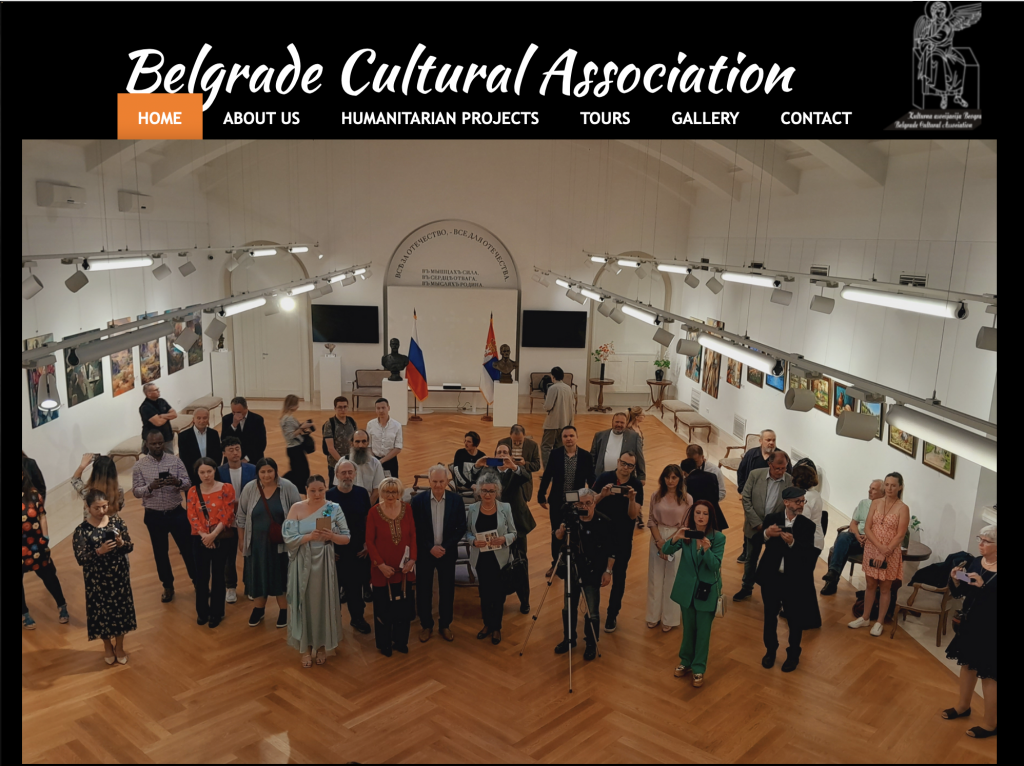
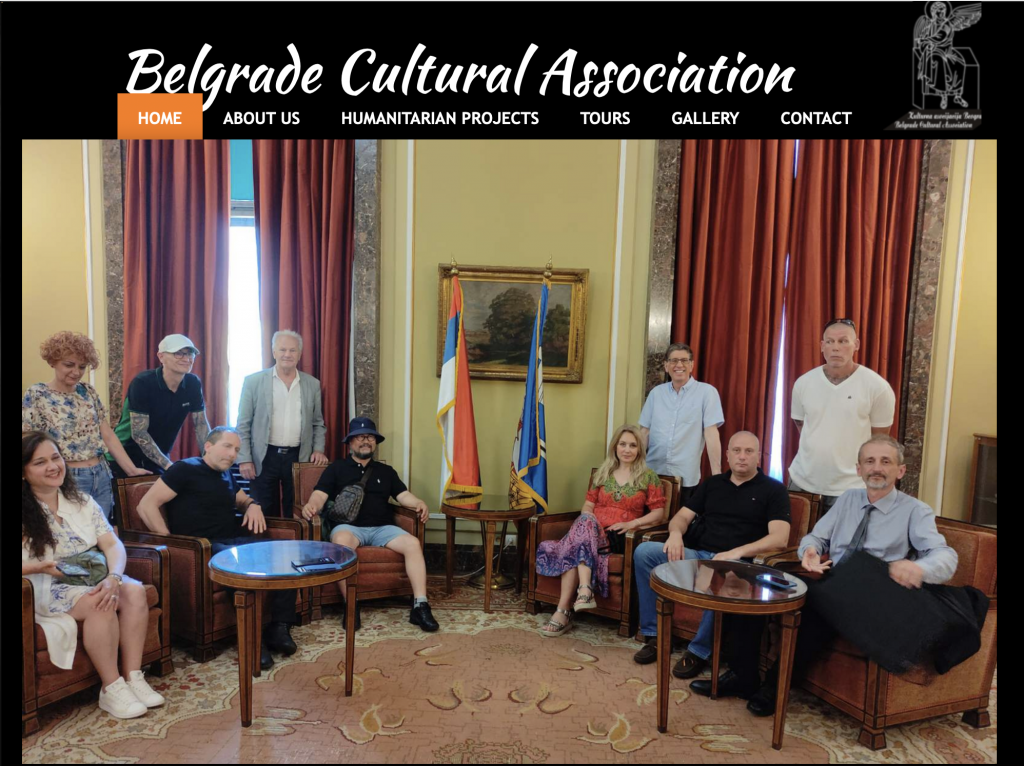
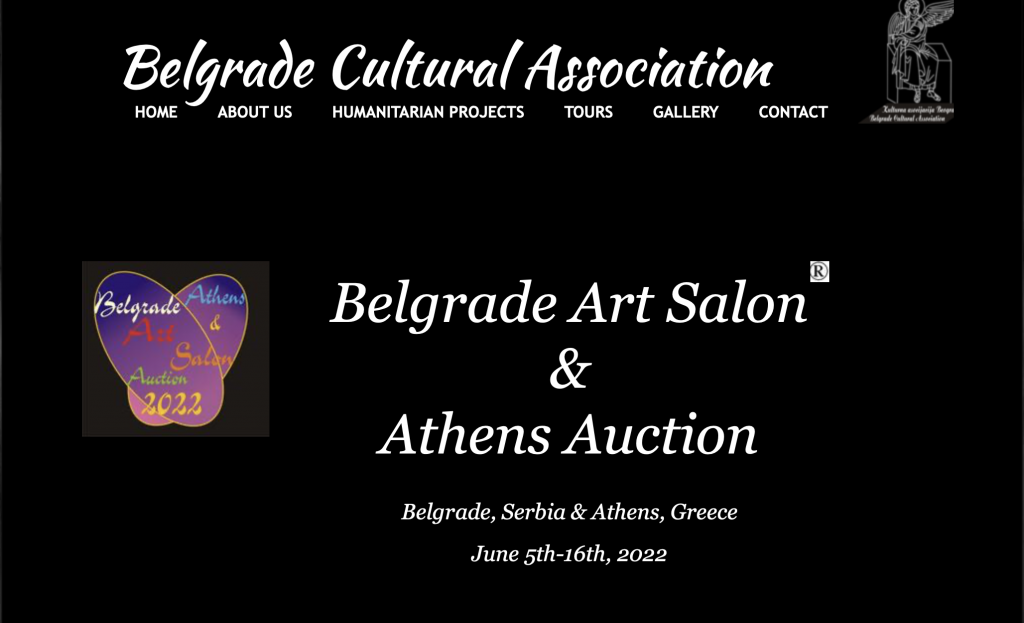
This is the true story of Rafał Dobosz, an accomplished international artist and co-owner of Artistic Avenue, who took part in a residency programme organised by Culture Belgrade in 2022. What was promised as a prestigious, enriching experience quickly unravelled into a calculated scheme – a sophisticated scam wrapped in the language of art.

The Illusion of Opportunity

It all began with an invitation through Facebook.

For a fee of €550, the offer included:

• A 3-week residency in Belgrade,

• Three curated exhibitions,

• An auction in Athens, Greece,

• Accommodation provided,

• Framing, promotion and professional support.

It sounded like a genuine opportunity.

But it was only the beginning of a cascading financial trap.

No Apartment, No Answers – Just Excuses

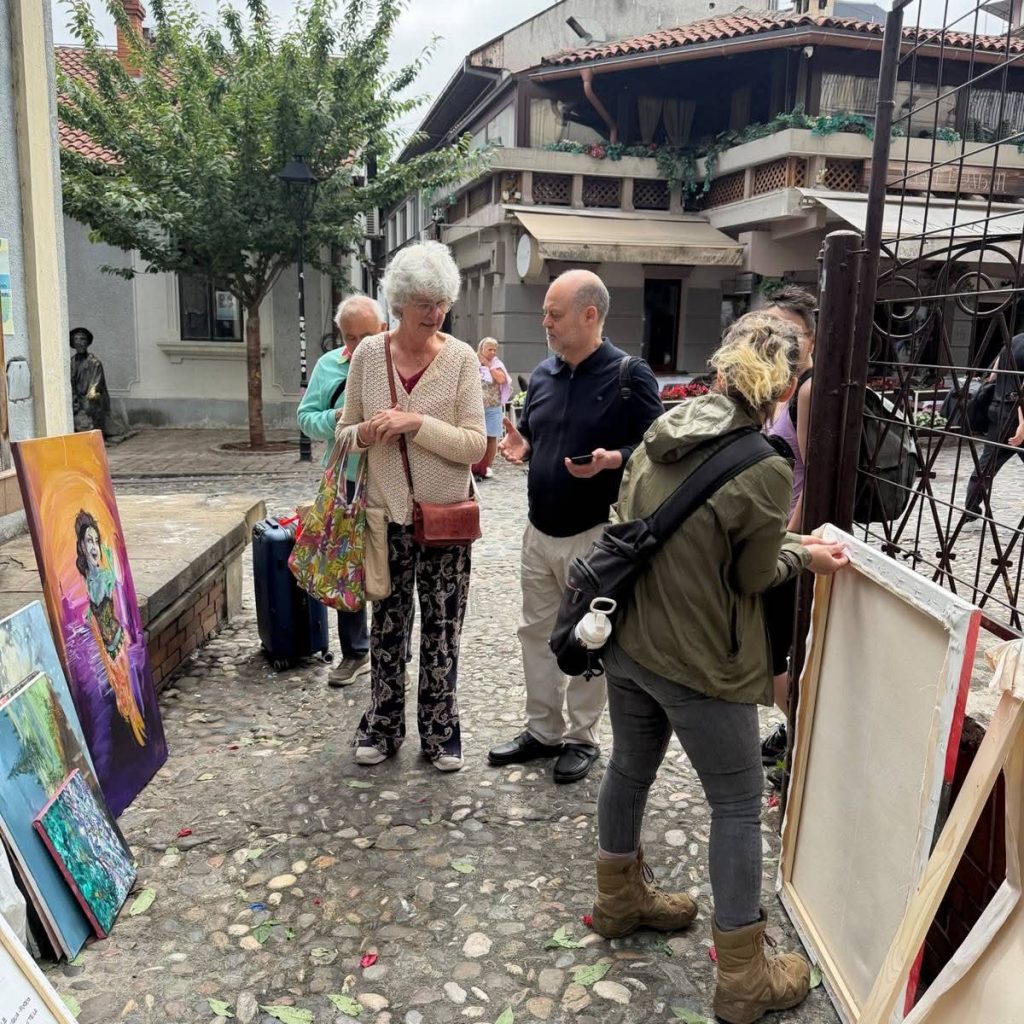
Upon arrival, Rafał learned that the promised apartment was already occupied. The organisers claimed they “didn’t expect so many participants” and asked him to wait. That wait never ended.

Rafał was forced to book his own accommodation through Booking.com, costing €250 per week – a €750 unplanned expense.

Escalating Costs: The Hidden Scheme

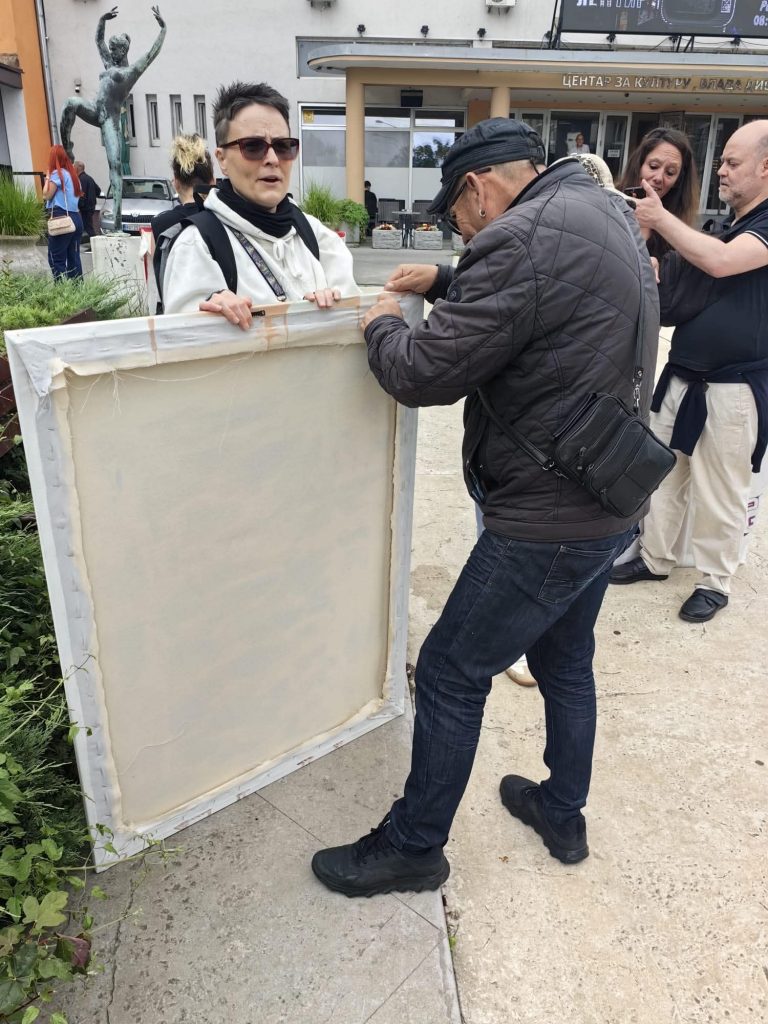
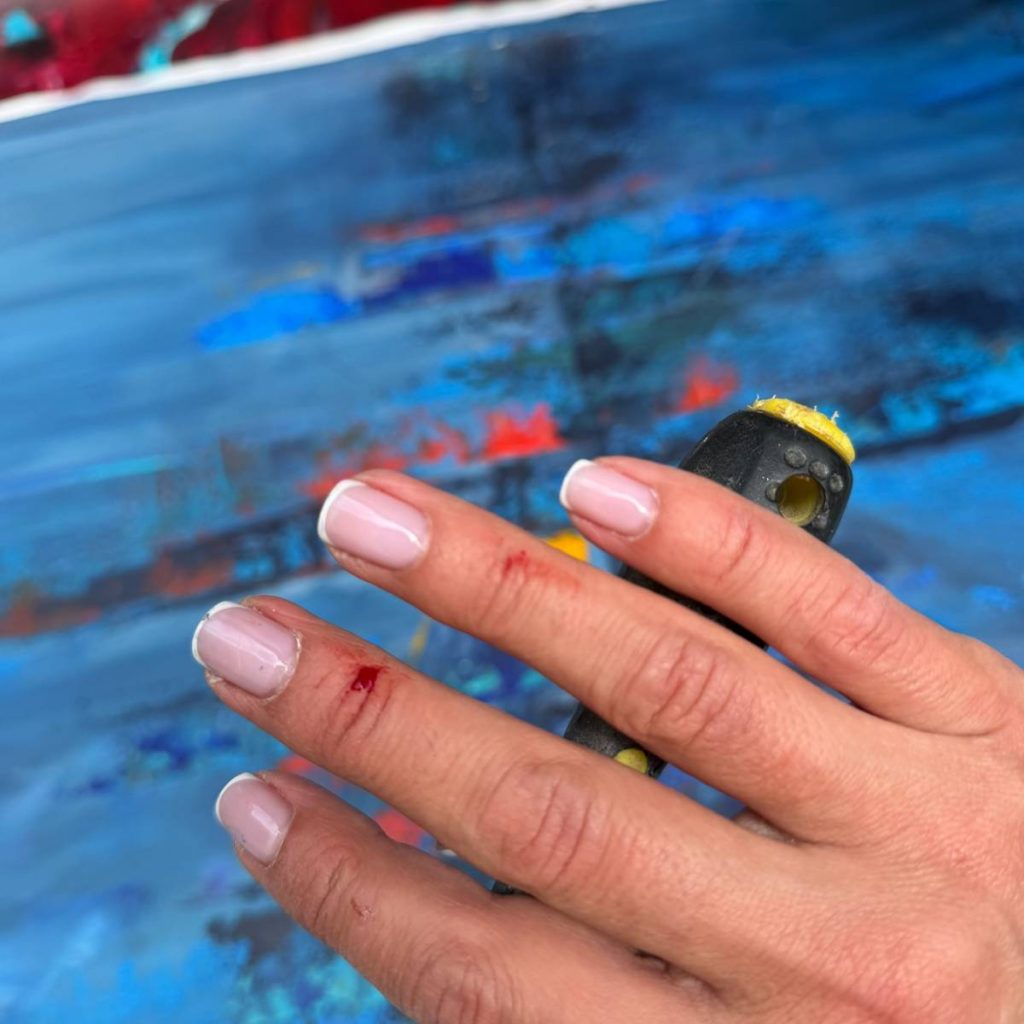
Rafał had brought 10 rolled canvases for convenience during air travel. The organisers offered to mount them on stretcher bars (Bleytrams).

The cost? €40 per artwork – totalling €400.

What he soon discovered was shocking:

Each artist was charged a different rate for the exact same service.

Some paid €20. Others – $80. The fees were calculated based on what organisers thought the artist could afford.

This wasn’t a gallery. This was extortion disguised as facilitation.

Exhibitions Without Audiences – A Hollow Stage

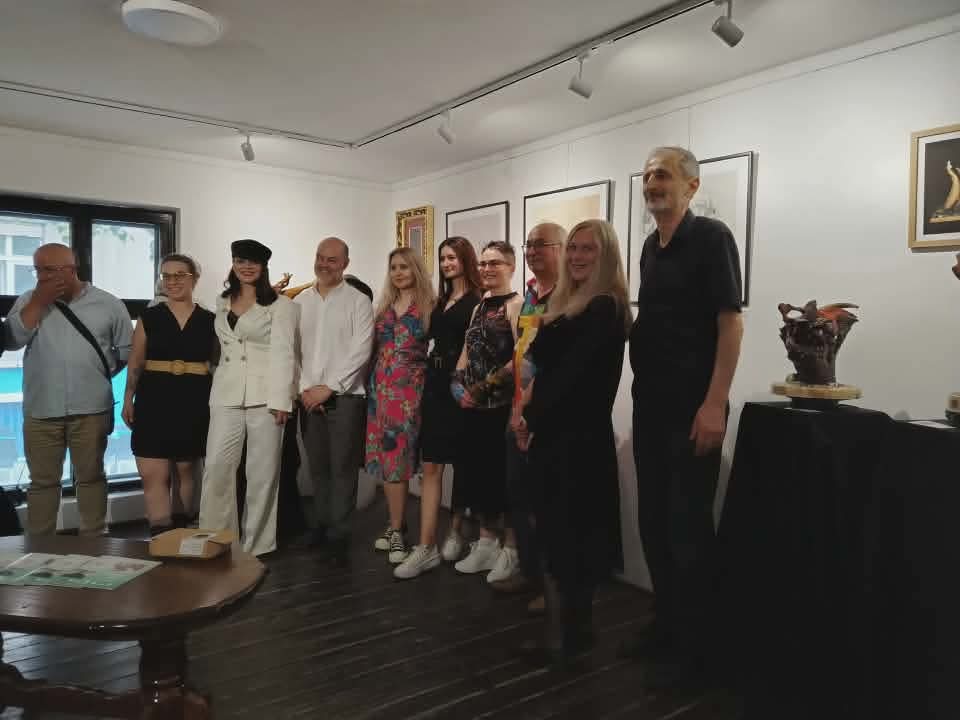
The first “exhibition” turned out to be a completely unrelated event – artists were simply photographed there. The second? A day-long hanging in a restaurant. The third? A rented non-gallery room, empty of guests.

The attendees? Friends of the organisers lured with free wine and snacks.

There were no invitations, no real promotion, no buyers, no curators –

just backdrops for photo ops.

The works were removed the next day.

These were not exhibitions – they were staged illusions.

Manipulating Artist Testimonials

Here’s where the scam got truly clever.

In the first days, artists were interviewed on video. They were asked for their feedback – on the event, the “organisation”, the atmosphere.

At that stage, spirits were high. Everyone had just arrived. They’d been wined, dined, and misled with charm.

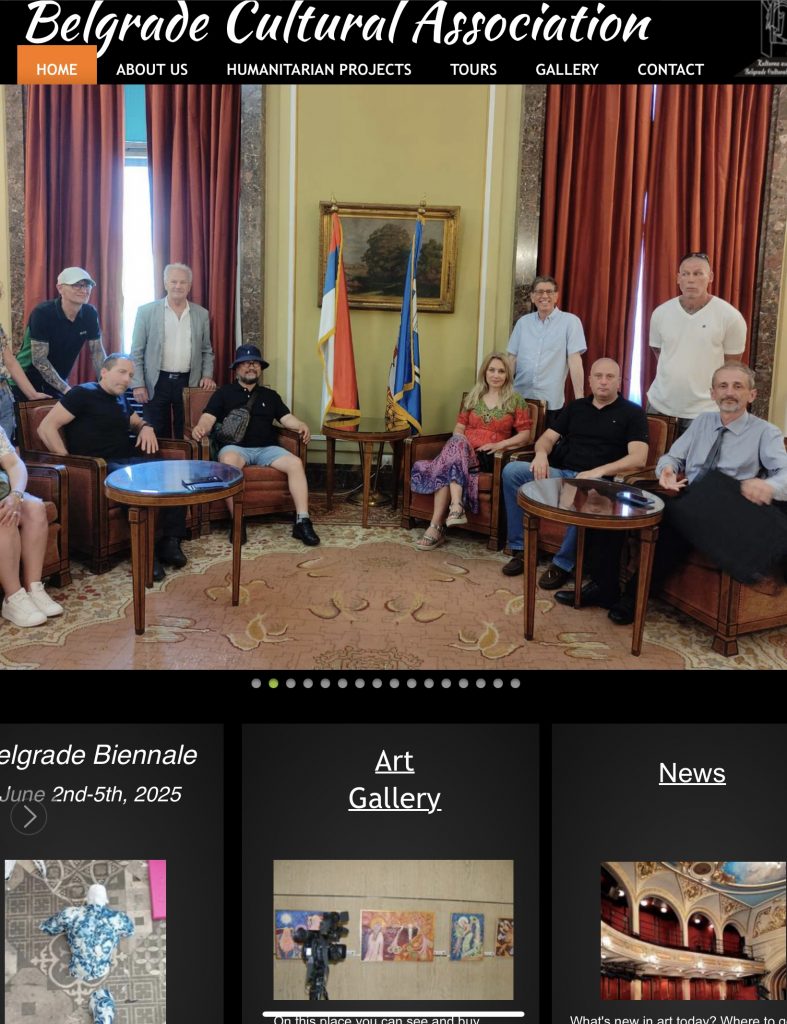
Those early interviews – made before artists realised the truth – were later published online as glowing testimonials.

This is not marketing. This is emotional manipulation.

The Greek Auction That Wasn’t

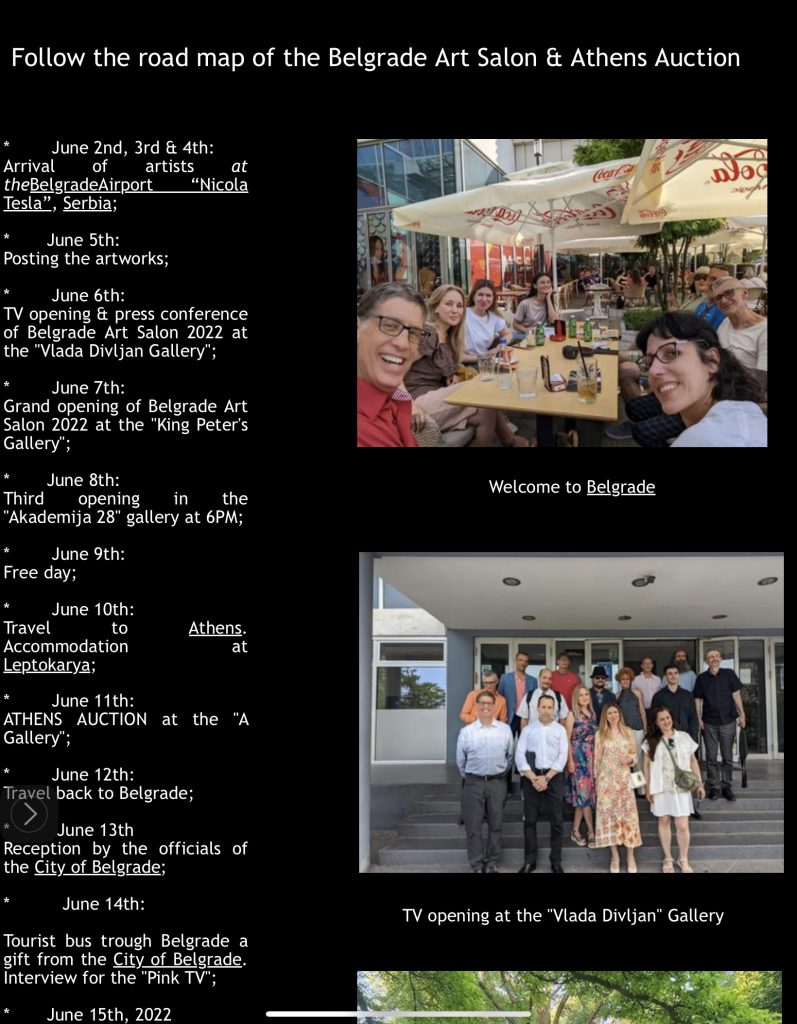
The climax of the residency was to be an auction in Athens. Artists were put on a bus for a full-day trip from Belgrade to Greece. Each paid €250 for the journey and had to arrange their own accommodation on arrival.

Upon arrival, artists were told to go explore the city while organisers “prepared the space”. When they returned, they were informed:

“Your artworks were sold during the auction. A buyer will contact you directly.”

No receipts. No names. No evidence.

To this day, no artist received a call.

There was no auction. Only lies.

The Final Blow – Disrespect for the Art

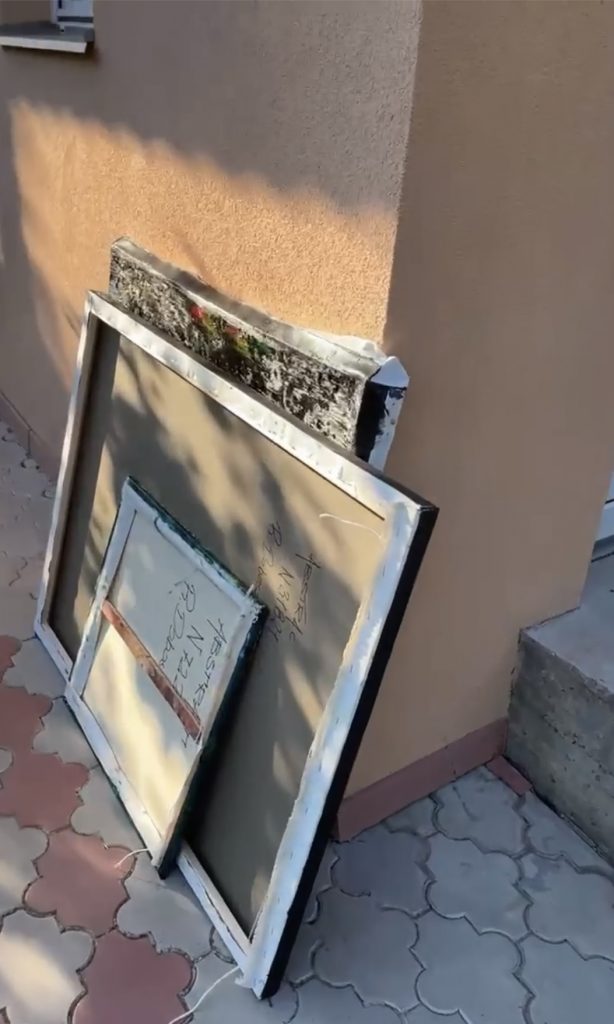
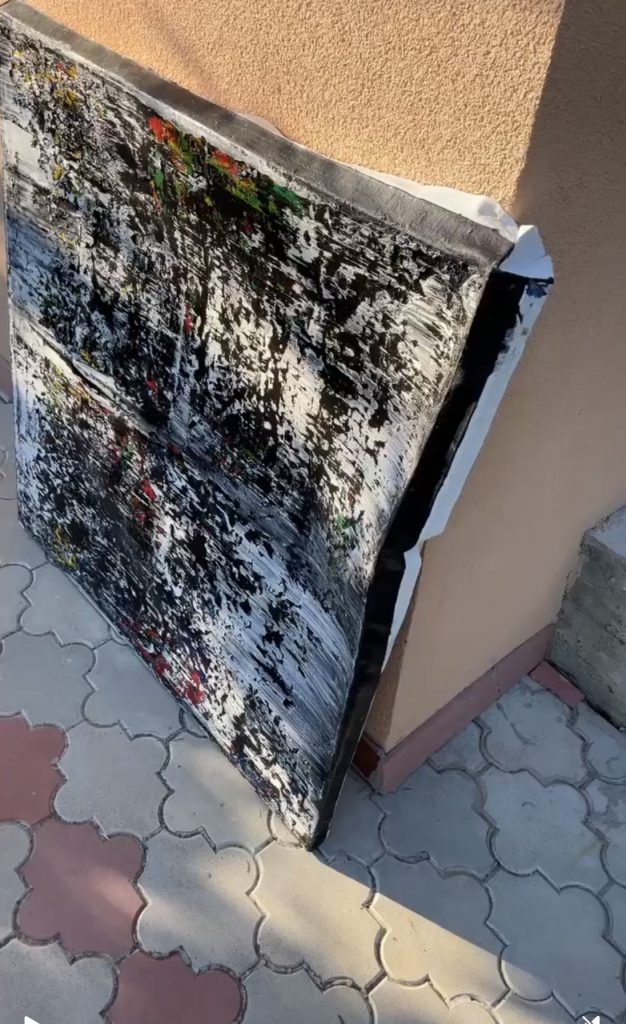
When Rafał’s works were returned, they weren’t packaged or protected.

They were left under the sun, leaning half-unmounted on frames in front of his apartment door.

There was no one to speak with. Phones were off. Emails unanswered.

Other artists, like Ava from Switzerland, fought for months to get their works back.

This wasn’t neglect. It was utter disrespect.

Counting the Damage – Financial and Emotional

From an initial fee of €550, the total cost ballooned to over €1,500, including:

• €400 for mounting canvases,

• €250 for the Greece trip,

• €750 for accommodation in Belgrade,

• Additional expenses for food, transport and printing.

But the financial loss paled in comparison to the emotional fallout:

• Destroyed trust in international art events,

• Broken morale,

• Disillusionment with the art world itself.

Some artists involved have struggled to return to creating.

The Scam Blueprint – How It Works

1. Social Media Bait – Often via “calls for artists” or fake competitions.

2. Mass Acceptance – Almost everyone who applies is “selected”.

3. Upfront Payment – Modest, but hooks the artist in.

4. Inflating Costs – Framing, rent, extras… all added after arrival.

5. Faked Legitimacy – Early testimonials, photographs, rented spaces.

6. Staged Events – One-day displays, fake guests, wine parties.

7. Fabricated Sales – Invented buyers, no proof, no contact.

8. Silence and Ghosting – Organisers vanish once event ends.

This is not a misunderstanding. This is an orchestrated, high-efficiency con targeting creatives.

A Final Word from Rafael Drumer – Journalist, Artist Advocate

To all emerging and established artists – let this story serve as a red flag.

Do not confuse ambition with naivety.

Do not let your love for art blind you to exploitation.

Culture Belgrade and organisations like it do not care about art.

They monetise your dreams.

They weaponise your hope.

They mock your passion.

The only thing they curate is your wallet.

They thrive because we – artists – are empathetic, trusting, and hungry for connection. But art deserves more than exploitation.

And so do you.

This investigation was conducted by Rafael Drumer, Editor-in-Chief at Artistic Avenue, in collaboration with Rafał Dobosz – international visual artist and whistleblower.

Let this be a warning. Let this be a shield.

Let this be the last time someone gets away with this.

Art for Thousands: How Dantebus Tempts Artists with the Illusion of Prestige

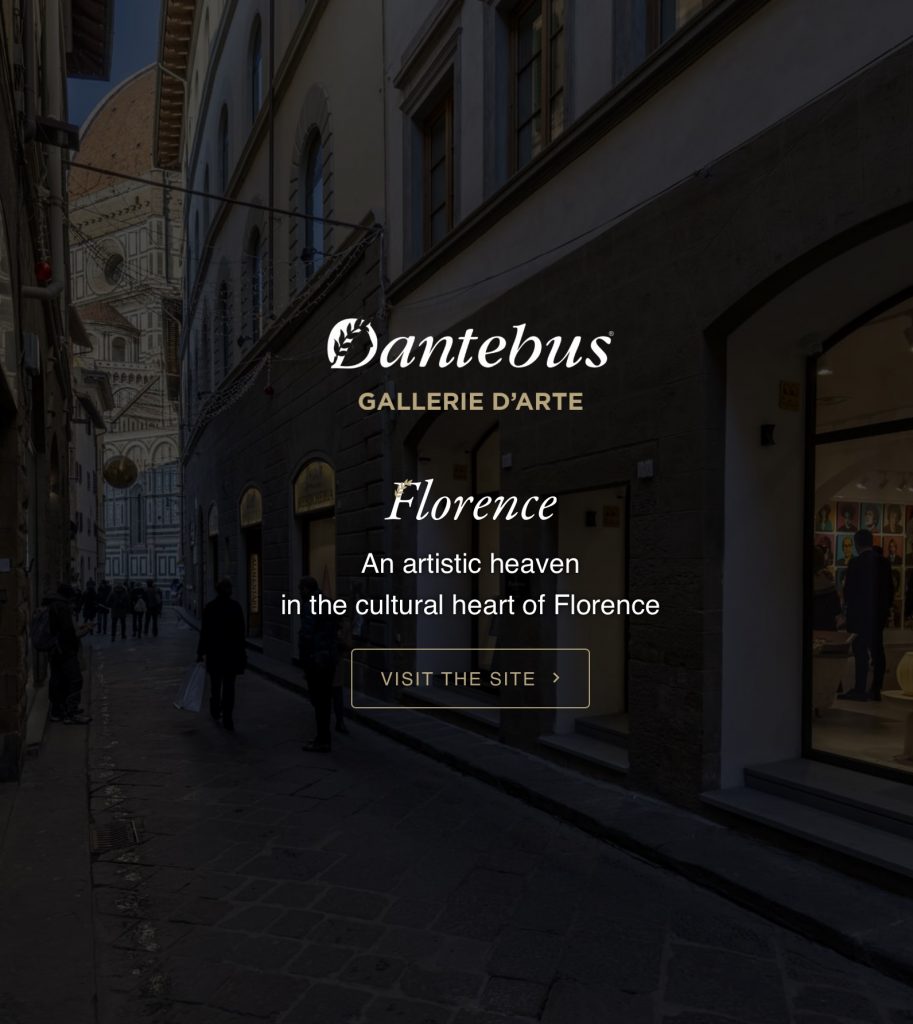
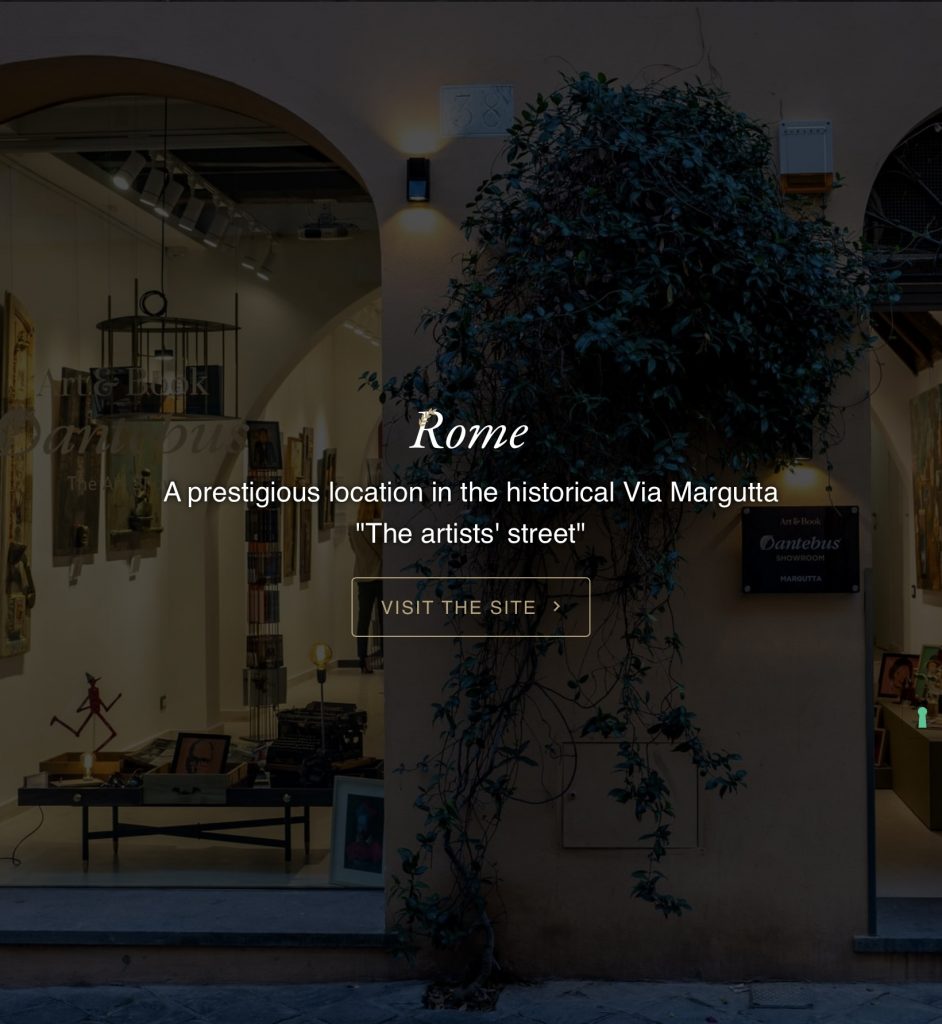
In the art world, where dreams of recognition and success are as common as brushes and canvases, there are institutions that exploit those aspirations for their own profit. One such entity is the Italian gallery Dantebus, which attracts artists from around the world with enticing exhibition offers in Rome and Florence. But behind the facade of prestige lies a business model that raises serious concerns.

A Tempting Offer

Dantebus offers artists the chance to participate in exhibitions at two seemingly prestigious locations: the Dantebus Margutta Gallery in Rome and the Dantebus Florence Gallery. For a one-time payment ranging from €999.90 to €2299.90, the artist is promised:

• participation in the exhibition with one artwork displayed,

• inclusion in a bilingual (Italian-English) catalogue with an ISBN number,

• a personal website and mobile app for one year, allowing for sales without commission.

Additionally, the gallery emphasises that it takes no commission from sales, and that the artist may attend the opening day for interviews and photos, supposedly increasing their exposure and chances of selling.

Hidden Costs and Lack of Transparency

While the offer may sound attractive—especially to emerging artists—there are several red flags:

No sales data – When asked about previous exhibition sales, average artist earnings, or visitor statistics, Dantebus representatives respond vaguely, avoiding concrete figures.

High fees with no guarantees – The fees are substantial, and with no commission taken from sales, it suggests the gallery’s primary revenue stream is the upfront payment, not art sales.

No responsibility for the works – Dantebus clearly states that the artist is fully responsible for the shipping, insurance, and collection of their work, removing any operational obligation from the gallery.

Let’s Do the Maths: €85,000 for Prestige

According to the details provided:

• The Rome exhibition involves 30 artists paying €999.90 each = €29,997

• The Florence show includes 40 artists at €1399.90 = €55,996

• Artists who opt to show in both cities pay €2299.90 – sometimes in three instalments

This means that Dantebus earns over €85,000 from just two events, without having to sell a single painting or provide logistical support. These fees are not directed towards curators, sales staff, or public relations campaigns—because those services, in many cases, don’t exist.

Dubious Marketing Tactics

Dantebus also runs Facebook ads for “art contests”, where the winner supposedly receives a €500 cash prize for submitting their artwork. In reality, many artists who submit their details never hear back about any competition results—but instead receive an offer to pay to be part of the exhibition.

This is a classic data capture technique disguised as opportunity—luring in aspiring artists under the promise of reward, only to target them with high-pressure sales emails.

No Answers – Silence as a Strategy

Polish artist Rafał Dobosz, who received such an offer, responded with professional and precise questions:

• How many artists sold artworks at past exhibitions?

• What were the average visitor numbers?

• What tangible benefits resulted from participation?

The reply? Vague assurances, compliments, and evasive language. When he followed up—no reply at all. This silence is not accidental; it’s a strategy. Push for transparency, and the conversation ends.

Why Does It Work?

Because it preys on the artist’s deepest vulnerability: the desire to be seen. For someone just starting out, receiving a personal invitation to exhibit in Rome or Florence sounds like a breakthrough. Add the words “selected” or “invited” and an urgent deadline, and artists are more likely to accept without due diligence.

In truth, these events offer little more than space on a wall and a sense of occasion. There are no named curatorsno guaranteed buyersno outreach efforts. It’s an illusion—carefully crafted, but hollow.

How to Protect Yourself – A Checklist

Before you pay to exhibit, ask these essential questions:

1. Does the gallery earn from sales, or just from artists’ fees?

2. Can they provide verifiable data on past events—sales, attendees, media coverage?

3. Is the venue truly prestigious, or just a rented space with a glossy name?

4. Can you speak to past participants directly?

5. Are so-called “competitions” just a way to gather your data?

Conclusion: Time to Break the Illusion

Artistic passion is a powerful thing—but it should never be exploited by those who package hope as a product. Dantebus and similar galleries thrive on emotional manipulation, not artistic merit. They offer professional-looking emails, vague praise, and promises of exposure. But they do not invest in the artist—they charge the artist for the illusion.

True galleries work for the artist. They promote, exhibit, sell, and share the risk. If a gallery asks you to pay upfront without providing hard evidence of results, remember:

Visibility without substance is just an expensive mirage.

I’m writing this not just as an investigative journalist, but as an artist with many years of experience. I want to warn every creator: don’t let your emotions or your desire to “finally be seen” push you into making rushed decisions.

Galleries that don’t take commission from sales have no incentive to actually sell your work. Their only income comes from the artist’s upfront payment – and that’s where their focus lies. They don’t invest in promotion. They don’t build networks with collectors. They don’t work for you – they live off your ego and your dreams.

In the case of Dantebus, we’re talking about potential earnings of over €85,000 from a single edition. Do they really need any more motivation to help you make a sale? No – they’ve already made theirs. Off you.

I know how tempting it can be to receive an invitation to exhibit in Rome or Florence. I’ve fallen for it myself in the past. But now I know this: if a gallery doesn’t take commission and doesn’t actively sell, it’s not working in your best interest.

To all artists out there: don’t let your ambition become someone else’s business model. Ask questions. Investigate. Don’t be fooled. Your art has value – and it should never be just a ticket into someone’s revenue machine.

Thank you for reading this article. If it helped you see things more clearly, please share it with others. The more artists become aware, the fewer galleries will profit from manipulation.

With artistic respect,

Rafael Drummer

Editor-in-Chief, Artistic Avenue

A New Series of Abstract Paintings – “A Meditation in Colour and Energy”

With stillness and intention, I invite you into the first chapter of my newest abstract series – a body of work that flows not only from emotion, but from the quiet spaces between thoughts. This is painting as meditation, where movement becomes presence, and each layer of colour emerges from within. Created in oil using squeegee technique, and guided by a range of palette knives of various types and sizes, these pieces are born of intuition, spontaneity, and the rhythm of the inner world.

The series opens with “Astral Whispers” (80 × 60 cm) – a gentle whisper across the canvas, a soft murmur of the unseen. Built on mirrored reflections, the composition flows symmetrically from both sides: deep Prussian Blue touched with black gives way to violet, pink, and rich shades of red and burgundy. Beneath it lies a base of pink – subtle and radiant – glimpsing through like breath beneath skin. The entire piece is veiled in a soft layer of white, not to obscure but to unify; a symbolic act of transmutation, where internal energy is transformed into something raw, luminous, and profound.

“Astral Whispers”

Oil on canvas / 80 × 60 cm

£1800

The second painting, “Flare of Reflection” (60 × 50 cm), continues this exploration of transformation – yet here the tone shifts: bolder, more fire-driven. The mirrored composition moves inward from the edges: green, Prussian Blue, red, and finally a vivid yellow band at the core. First, the entire surface was wiped with white paint, uniting all layers and adding depth, symbolising the process of energy transmutation. Finally, vibrant streaks of colour were applied – expressive, pulsing, born of motion and instinct.

“Flare of Reflection”

Oil on canvas / 60 × 50 cm

£1200

This is only the beginning. More pieces in this series are taking form and will soon join this visual journey. I warmly invite you to follow my social media and my Artistic Avenue profile.

https://www.instagram.com/sara.dobosz.artlife/profilecard/: A New Series of Abstract Paintings – “A Meditation in Colour and Energy”

Thank you for being part of this path!

Sara Wiśniewska

Exploring “Mechanism of Creation IV”: A Critical Review of the Artwork by Basko, a Polish-Born Artist Based in Berlin

Reviewed by Sara Wisniewsky, Independent Art Critic

Title: “Mechanism of Creation IV”
Technique: Original, hand-drawn artwork, ink on paper
Dimensions: 100 × 70 Cm / 39.4 x 27.6 inches
Artist: Basko

In her latest ink-on-paper composition, Basko offers a contemplative cartography of internal energies — a work that resonates as both visual mantra and metaphysical schematic. With precision and sensitivity, the piece balances geometric order and intuitive flow, standing as a testament to the intersection of formalism and spiritual inquiry.

Form and Technique

The artist’s medium — ink on paper — is not merely a practical choice but a philosophical one. Rather than succumbing to the medium’s fluid unpredictability, Basko asserts a gentle authority over it, guiding the ink into structured forms: triangles, circles, and both continuous and broken lines. The resulting tension between control and surrender is palpable, yet never dissonant. Indeed, it is precisely this dialogue — between the deliberate and the instinctual — that forms the heartbeat of her visual language.

The restrained palette of black, white, and yellow feels almost alchemical. Black speaks of matter and grounding, white suggests clarity and intentional purity, while yellow introduces a luminous, vibratory energy. At the centre, a mandala-like structure unfolds — a circular realm built from modular segments, each acting as a symbolic cell, encapsulating memory, intuition, or some energetic whisper beyond words.

Thematic and Spiritual Dimensions

Basko affirms, “My art is me; I am my art.” This declaration is no mere artist’s statement — it is a truth made visible. Her work is simultaneously introspective and archetypal. While its geometry may evoke echoes of Eastern cosmological diagrams, Basko eschews direct symbolism in favour of a personal visual lexicon. Her forms become a new alphabet — rhythmic and intuitive — through which inner states and subtle energies are transcribed.

A central vertical axis flows through the piece like a metaphysical spine — a conduit of transformation rather than mere transmission. One might read it as an energetic anatomy, mapping processes of internal alchemy. Here, time does not stretch linearly, but pulses and folds — a cyclical presence rather than a chronological path.

Artistic Process and Philosophy

Basko’s practice is rooted in intuition. She does not plan her compositions in advance. Instead, she follows the internal rhythm of gesture — a methodology encapsulated in her mantra: “One line… One thought.” Each mark is made with full presence, transforming the act of drawing into a meditative ritual. This approach challenges contemporary expectations of concept-driven art, favouring instead a lived immediacy — work that breathes rather than theorises.

Context within Contemporary Art

Her oeuvre finds kinship with the spiritual abstraction of Hilma af Klint and Emma Kunz, as well as with contemporary practices aligned with bioarchitecture, neurographic drawing, and Zen aesthetics. Yet Basko remains distinct. Her diagrams are not renderings of inherited systems, but expressions of a language born from lived experience and intuitive insight.

Conclusion

The work I had the privilege to encounter is more than a visual composition — it is an invitation. Though composed with the clarity of a diagram, it pulses with the mystery of being. Every line is both a mark and a moment. To engage with Basko’s art is not simply to observe, but to enter — to read, to listen, and perhaps, to remember.

“Mechanism of Creation IV” by Basko

https://basko.bigcartel.com/product/mechanism-of-creation-iv

Monumental Forms and Fleeting Emotions: A Review of Architectural Forms 173 by Anastasia Koronskaya

Professional Art Review

Title: Architectural Forms 173
Medium: Oil on canvas
Dimensions: 100 × 70 cm
Year: 2025
Artist: Anastasia Koronskaya

Formal Analysis

Architectural Forms 173 masterfully blends expressive abstraction with architectural precision. Anastasia Koronskaya constructs a composition where monumental forms emerge from dynamic brushstrokes, creating a structure that balances between reality and vision. The artist skillfully manipulates light and shadow, achieving a sense of depth and architectural weight while maintaining an intense emotional charge.

The painting’s color palette is built on the contrast between warm, saturated reds and deep blues, generating tension between stability and movement. The interplay of these colors introduces an element of uncertainty, as if the structure depicted on the canvas is in a constant state of transformation. The impasto technique and bold application of a palette knife create a textured surface, giving the piece an organic, almost eroded quality. In this way, Koronskaya introduces an element of deconstruction, suggesting that the monumental forms we build—both in the real world and in our minds—are subject to decay and change.

Interpretation and Context

The painting aligns with the tradition of architectural abstraction, yet it transcends purely formal exploration. Koronskaya uses urban structures as a metaphor for the human condition. The monumental forms dominating the composition may symbolize both the achievements of civilization and their impermanence. One can see echoes of Gothic cathedrals, futuristic metropolises, or even the ruins of past cultures—the piece becomes a reflection on time, memory, and transience.

Many of Koronskaya’s earlier works also explore spatial themes and their psychological impact. Exhibitions such as “Urbán”“Space Within Space”, and “Intersections” examined the relationship between architecture and emotions, portraying cities as places of both refuge and alienation. In Architectural Forms 173, this duality is particularly striking—the painting exudes strength and monumentality while, through its blurred edges and subtle lighting, introducing a sense of nostalgia and impermanence.

Influence and Unique Style

Anastasia Koronskaya continues to develop her distinctive artistic language, merging rigid geometry with expressive use of color and texture. While her work echoes modernist experiments by Kandinsky or late-period Richter, her compositional approach remains uniquely her own. Her ability to infuse monumental structures with emotional depth sets her apart—these are not just forms, but carriers of narratives, hidden meanings, and personal experiences.

Her technique, which involves layering paint, gives the artwork an internal rhythm, making the structures seem both permanent and ephemeral—built and deconstructed simultaneously.

Conclusion

Architectural Forms 173 is a profoundly mature composition, blending technical precision with emotional intensity. The painting captivates not only through its structure and color but also through its hidden meaning—it tells a story of construction and decay, of memory embedded in space, and of the fragility of grand ideas.

Koronskaya once again proves that her work is more than formal experimentation—it is a deep reflection on architecture as a metaphor for human experience.

Rafael Drummer

Contemporary Art Critic

Artistic Review – “Twin Flame” by Sara Wiśniewska

Rafael Drummer, Art Critic, Contemporary Art Enthusiast

Introduction

In the evocative work “Twin Flame” by Sara Wiśniewska, we encounter a mesmerizing, multi-layered canvas that unfolds like a narrative of emotion and inner connectivity. Presented on a 100×100 cm canvas and executed in oil with the expressive application of a spatula, the piece stands as a visual feast that channels both the raw power and delicate subtleties of abstract expressionism.

Form and Texture

At first glance, the rhythm of the paint immediately captivates the observer—the layered application of oil creates an almost tactile landscape where each impasto stroke seems to map out the contours of emotion. The deliberate use of a spatula to build up texture lends the work a dynamic, almost sculptural quality. Every mark and ridge is a testament to the artist’s impulsive yet thoughtful gesture, transforming the canvas into an organic, living entity pulsating with colour and mood.

Colour Palette and Symbolism

The title “Twin Flame” invites a contemplation of the notion of duality—the meeting of two kindred forces. Wiśniewska employs a palette where cool greens and turquoise clash and converse with passionate reds and soft pinks, creating a space teeming with contrasts. This interplay of hues evokes a metaphorical encounter between fire and water, impulse and serenity—a vibrant symbol of a profound, intertwined connection.

Emerging from what might seem like a deliberate chaos of colours is a subtle suggestion of symmetry, as if an unseen axis underpins the composition. This delicate balance within the apparent disorder is what renders the painting so compelling; it draws the viewer into a meditative state, encouraging reflection on the nature of interpersonal bonds and the interplay of energies.

Context and Inspirations

While Wiśniewska clearly draws inspiration from the tradition of abstract expressionism, her work possesses an intimate, individual voice. There are echoes of spontaneous gesture and fervent energy, yet every spatula stroke appears as part of a considered dialogue with the canvas. In today’s art scene, there is a growing appreciation for works that meld unbridled dynamism with a personal narrative, and “Twin Flame” fits seamlessly into this evolving discourse.

Market Valuation and Collectability

Taking into account:

• The substantial 100×100 cm format, which situates the piece among those meant for grand exhibition,

• The layered technique that creates a richly textured, multi-dimensional experience,

• The current market’s favour towards gestural abstraction and emotive expression in Europe,

the work is estimated to command a market value in the range of:

• Primary Market (galleries, direct sales): £4,500 – £7,000

• Auction Market: Potentially up to £9,500, contingent on collector interest and exhibition prominence

• US Market: Approximately $8,000 – $12,000

With further recognition of Wiśniewska’s evolving oeuvre and participation in prominent international exhibitions, the value of her work is likely to appreciate in the coming years.

Conclusion

“Twin Flame” is a piece in which the passion of colour meets the profound symbolism of duality. Through its layered structure and bold, contrasting palette, the painting offers an intense yet harmoniously composed experience. Sara Wiśniewska demonstrates that abstraction can be both a wild outburst of emotion and a measured exploration of inner landscapes, inviting the viewer to embark on a personal journey of interpretation and reflection.

Rafael Drummer

Contemporary Art Critic

“Portal of Existence” – A New Creative Chapter of Rafał Dobosz

Two years and seven months ago, a new chapter began in the artistic journey of Rafał Dobosz—a master of abstraction whose passion for his craft is ever-evolving. It all started with a colossal painting measuring 180 cm x 180 cm, whose initial concept hinted only at the beginning of something far greater. Rafał, renowned for his masterful expression of emotion on canvas, soon discovered that his intuitive approach to painting transcended spontaneous abstraction; a new idea was born that laid the foundation for his latest series, “Portal of Existence”.

The early stages of this monumental project involved traditional techniques, beginning with the depiction of the sky, gradually followed by the emergence of mountain silhouettes. However, as time passed and the artist delved deeper into his own reflections, the painting began to assume an entirely new form. Rafał started incorporating elements intended to symbolise a passage into other dimensions—cubes which, at first glance, might appear to be mere geometric shapes, but in his vision became portals to a new universe.

In the first painting of the series, entitled “Guardian of Infinity”, Rafał Dobosz has created a work that is not only a visual abstraction but also a profound metaphor—a guardian that stands at the threshold between our world and the unknown. Painted over the course of more than two and a half years on a 100 x 100 cm canvas using oil paint, this work is a testament to meticulous craftsmanship and a layered compositional approach. The key motif in this piece is the cube—symbolic elements which Rafał interprets as gateways to other dimensions. Each cube serves as a miniature portal, opening a path to an unexplored universe.

During the creative process, the artist experimented with a variety of techniques, utilising both traditional methods of paint application and modern glazing techniques. The resulting composition is defined by dynamic contrasts—cool shades of blue and deep black, enriched with hints of Prussian Blue, blend harmoniously with warm orange tones. This dynamic interplay of colours not only energises the piece but also conveys a profound emotional message that invites the viewer to engage in personal interpretation.

“Portal of Existence” is not merely a collection of individual paintings; it is a comprehensive concept that Rafał intends to develop into a series of 70 works. Each painting in the series will present unique arrangements of cubes, within which the artist will embed distinct planets symbolising different facets of cosmic existence. It is a visual symphony in which geometry and abstraction coalesce to create mystical landscapes that transcend the boundaries of traditional painting.

For Rafał Dobosz, art is not only a means of expressing emotions but also a tool for transmitting positive energy and inspiration. His works are the culmination of years of dedicated practice, intensive exploration, and relentless experimentation—transforming human experiences into visual metaphors. “Guardian of Infinity”, as the inaugural piece in the “Portal of Existence” series, is proof that even the most challenging emotions can be transformed into something beautiful and profoundly meaningful.

Sara Wiśniewsky, Editor-in-Chief at Artistic Avenue, praises this work as an outstanding example of contemporary cosmic surrealism. According to her, the painting stands out not only for its precise technique but also for its deep, multi-layered narrative that transports the viewer into another dimension—one where each cube symbolises a passage to an unknown universe.

In summary, “Guardian of Infinity” is not merely the first painting in the “Portal of Existence” series but a symbolic turning point in Rafał Dobosz’s artistic career. His works, forged through years of experimentation and intense creative exploration, exemplify contemporary abstract art that bridges tradition with modernity, emotion with form. This piece has the potential to become an icon of a new era in art, inspiring collectors and critics to explore new, uncharted dimensions of human perception.

Sincerely,

Sara Wiśniewsky

Editor-In-Chief, Artistic Avenue

Expert Appraisal by Sara Wiśniewsky

Guardian of Infinity – The First Painting in the “Portal of Existence” Series

Artist: Rafał Dobosz

“Guardian of Infinity” is a remarkable example of cosmic surrealism, where artist Rafał Dobosz seamlessly combines technical mastery with a deeply metaphysical narrative. Painted over the course of two and a half years on a 100 x 100 cm canvas using oil paint, this work is a testament to meticulous craftsmanship and layered composition. With thin glazes and methodical brushwork, the painting achieves a luminous, ethereal effect that transports the viewer to another dimension.

At first glance, the central hooded figure captivates the observer, set against an expansive cosmic landscape. Surrounding spheres, vivid planets, and abstract geometric forms emphasize the theme of transition between the earthly and the transcendental. The subtle interplay of cool blues and deep black, enriched by touches of Prussian Blue and warm orange tones, suggests the emission of ethereal energy from an unseen source.

A key strength of this work is the perfect integration of multiple layers of oil paint. Each layer adds complexity and depth, creating a dreamlike atmosphere reminiscent of Renaissance sfumato yet infused with a contemporary energetic charge. The sharp geometric motifs juxtaposed with the soft, blurred areas of the background create a tension that fuels the viewer’s curiosity.

“Guardian of Infinity” is more than a visual representation; it is an artistic statement that invites reflection on the mysteries of existence and our role in the infinite cosmos. As the first painting in the “Portal of Existence” series, created by Rafał Dobosz, it marks the beginning of an extraordinary artistic journey that will continue in 69 additional works. With its unique combination of technique, vision, and profound emotional expression, this piece is sure to captivate collectors, curators, and art enthusiasts seeking unforgettable aesthetic experiences.

Sincerely,

Sara Wiśniewsky

Editor-in-Chief, Artistic Avenue

Oxmarket Contemporary: A Meeting of Tradition and Modernity with Polish Innovation by Rafał Dobosz

Oxmarket Contemporary, established in 1976, stands as one of the UK’s most unique spaces for contemporary art. Located in a beautifully restored historic church in Chichester, the gallery combines striking architecture with excellent lighting, creating an exceptional atmosphere that enhances the artworks on display. The ambiance of the old church, with its soft lighting and spacious interiors, perfectly highlights the details of each piece, fostering an ideal setting for interaction between the viewer and the artist. With this atmosphere, Oxmarket has become an iconic venue, merging the past with modernity and attracting art enthusiasts from around the world.

Since its inception, the gallery has hosted renowned artists from both the UK and abroad. Exhibitions have included works by artists like Andy Stewart, Louise Duggan, Bobby Dazzler, Imogen Pleydell-Bouverie, and Visvaldis Asaris. This diversity of styles and perspectives has established Oxmarket as a highly reputable space where artists from varied backgrounds and movements come together to engage in dialogue and share their experiences.

Rafał Dobosz, representing Artistic Avenue, is one of the latest artists to present his works in this remarkable gallery. His art, deeply rooted in emotional and spiritual exploration, aligns perfectly with the Oxmarket atmosphere. Dobosz employs a unique technique, combining multilayered structures and bold colours to create pieces full of energy and tension. The artist draws inspiration from the philosophy of the “Matrix”—a concept where life signals are transformed into expressions of love, understanding, and positive emotions. His paintings, a synthesis of his inner experiences, demonstrate how art can serve as a tool for emotional transformation, allowing for a more conscious perception of reality.

Dobosz’s participation in the exhibition attracted numerous collectors and art lovers, with the gallery providing a distinctive backdrop for his works. In places like Oxmarket Contemporary, history and modernity intertwine seamlessly, bridging the past and future of art. Alongside leading British artists, Dobosz showcases that Polish art holds an important place on the international stage, bringing a fresh perspective and new quality to the tradition of abstract painting.

Through a venue as extraordinary as Oxmarket, where history amplifies the impact of contemporary art, Dobosz has found an opportunity to engage in dialogue with viewers and fellow artists, marking an essential step in his artistic development.

Explore a selection of additional photos from the event below, capturing more highlights from the exhibition at Oxmarket Contemporary.

Thank you for your support and for joining us in celebrating this inspiring showcase!

Artistic Avenue Proudly Presents the Works of Its Artists at Liverpool Art Fair 2024

Liverpool Art Fair 2024, the annual artistic event held at the prestigious Liverpool Royal Building, is set to open its doors soon to art lovers from around the world. This year, the art fair, known for its highly selective exhibition, will showcase works by the best artists from Liverpool and its surroundings. Among the selected creators are Rafał Dobosz and Sara Wiśniewska, representing Artistic Avenue.

Taking place from June 28th to August 18th, 2024, Liverpool Art Fair attracts attention not only for its extraordinary works of art but also for its location. The Royal Building, famous for the iconic Batman logo projected on its facade, is one of Liverpool’s most important landmarks. Here, in the heart of the prestigious district, one of the most significant artistic events of the year will be held.

The exhibition’s inaugural opening is scheduled for June 27th and will feature works evaluated by a distinguished panel, including representatives and organizers from dot-art, as well as renowned artists from the region. This year, Artistic Avenue proudly presents the works of Rafał Dobosz and Sara Wiśniewska.

Rafał Dobosz, a Polish artist, is an abstract painter whose work reflects emotions and visions conveyed during meditation. His paintings, full of intense colors and dynamic forms, result from an intuitive approach to painting. Rafał has been a regular at exhibitions for five years, and Liverpool Art Fair 2024 will mark his second participation in this prestigious fair. In this year’s edition, he will present five of his most notable works, sure to capture the attention of visitors.

Rafał’s Art to be Presented at Liverpool Art Fair 2024

Title: “Abstract Emotional Mirror N130124”

Title: “Abstract Emotional Mirror N71123”

Title: “Abstract Emotional Mirror N110124”

Title: “Mirror N2. The rush of emotions in the space of matrix.”

Title: “Mirror N1. What do you see? What you feel?”

Sara Wiśniewska, also from Poland, has been living in England for 11 years. This is her debut in the world of abstract art. Sara will showcase one large painting. This piece, created using small spatulas and oil on canvas, is the result of a meditative creative process. The details and deep symbolism of the painting have earned the approval of the judging panel, making her debut at Liverpool Art Fair even more remarkable.

Sara’s Art to be Presented at Liverpool Art Fair 2024

Title: “Twin Flame”

Artistic Avenue is extremely proud to represent its artists at such a prestigious exhibition. Rafał Dobosz and Sara Wiśniewska, as two of the best creators in the area, will have the opportunity to present their works to a wide audience and establish valuable contacts in the art world.

We invite all art lovers to visit Liverpool Art Fair 2024 and admire the exceptional works of Rafał Dobosz and Sara Wiśniewska. This unique artistic event is sure to leave a lasting impression on its participants.

Rafael Drummer 

wpChatIcon
Scroll to Top