
International artists report a recurring pattern of alleged misrepresentation within art residency programmes and claimed Athens auction events
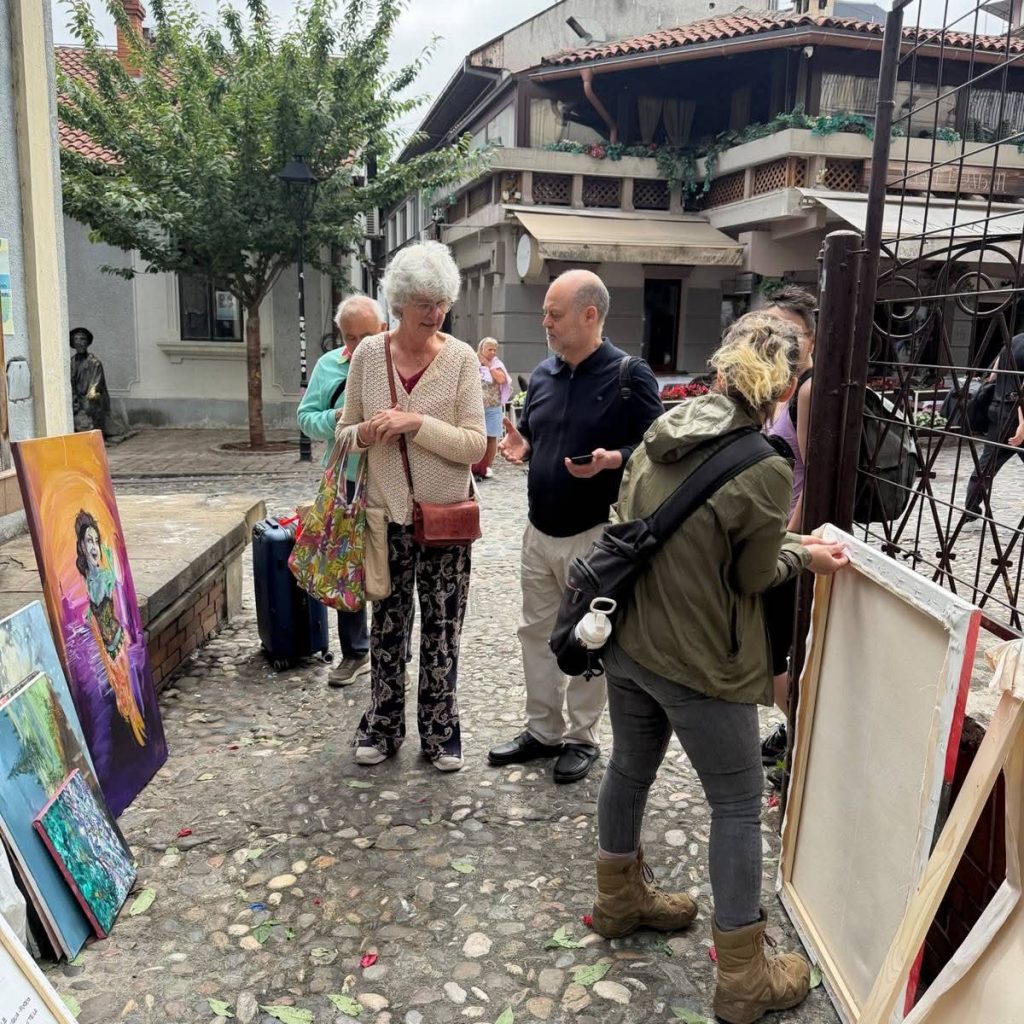
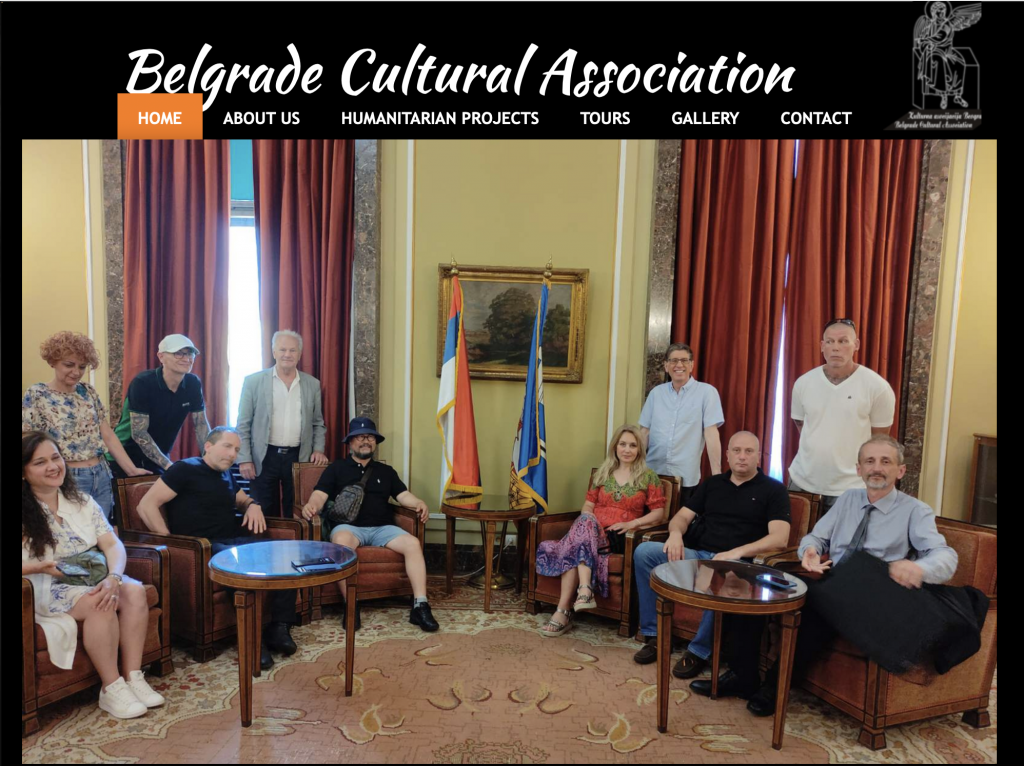
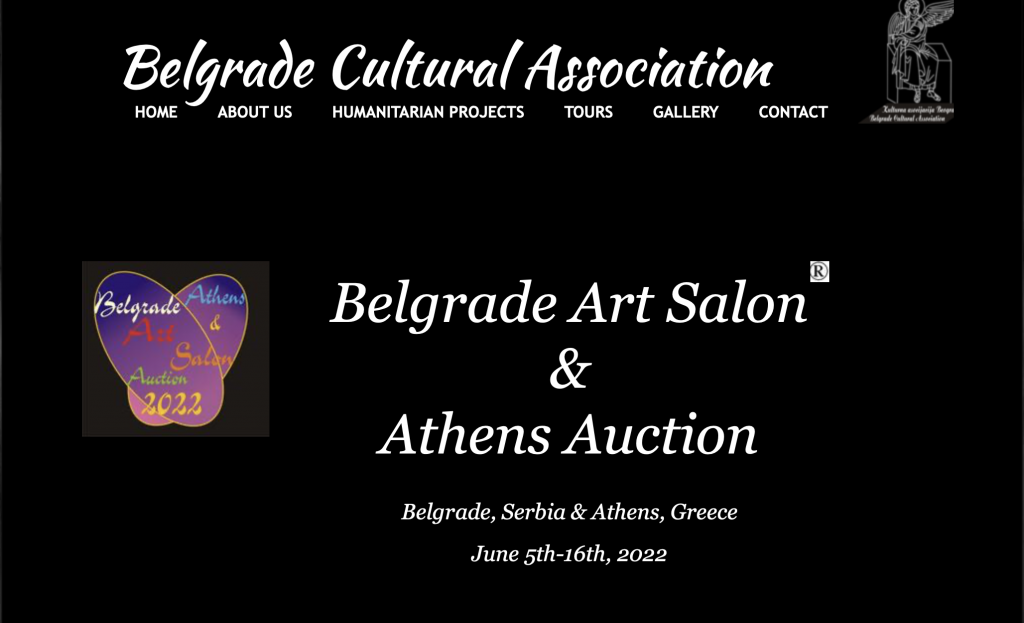
Over recent years, an increasing number of international artists have raised concerns regarding art programmes organised in Belgrade under the name Belgrade Cultural Association (culturebelgrade.net). https://www.culturebelgrade.net/english-page.html
Accounts spanning the period 2022–2026, provided by participants from multiple countries, describe a recurring pattern of experiences associated with these programmes. According to these testimonies, the actual delivery of events differed significantly from the promotional materials and initial representations made to participants.
This article is based on personal testimonies, written statements, and supporting documentation provided by artists who participated across different years.
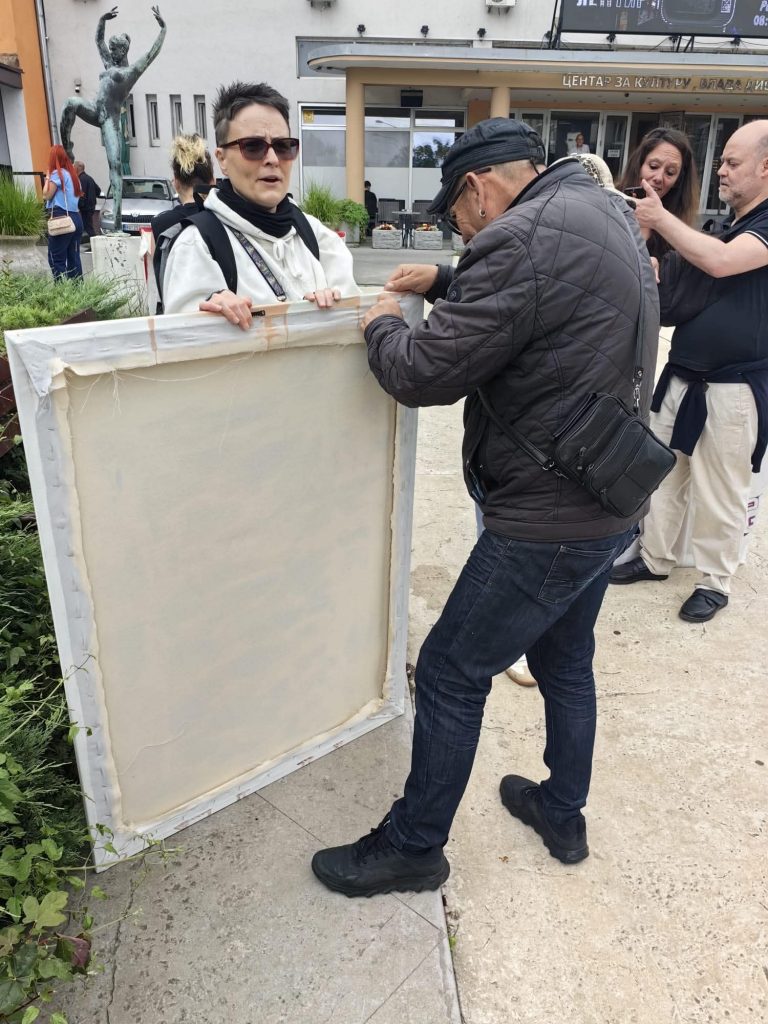
PROMISED STRUCTURE AND INTERNATIONAL SCOPE
In promotional materials, the programmes were presented as high-level international art initiatives, offering:
exhibitions in established cultural venues
media and television coverage
attendance by diplomats and embassy representatives
monetary awards (including prizes of up to €5,000)
international visibility and gallery networking opportunities
accommodation and full logistical support
transport to Greece, in some materials described as private aviation
participation in an international art auction in Athens
Participation fees were typically around €500 and were presented as a relatively modest entry cost for international exposure.
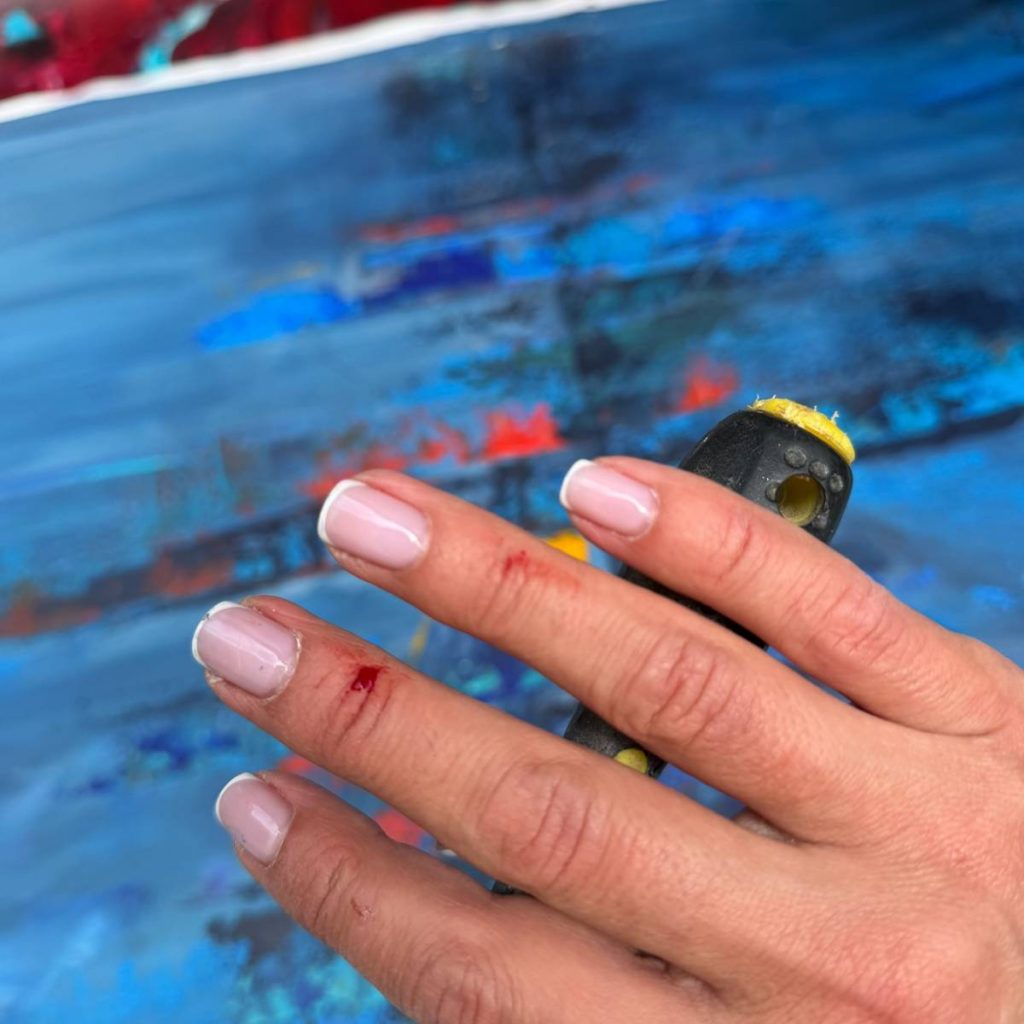
ADDITIONAL COSTS FOLLOWING ARRIVAL
According to participant accounts, further costs were introduced after arrival in Belgrade, which had not been clearly disclosed during the application process.
These included:
framing and installation of artworks
accommodation charges
insurance and administrative fees
transport and logistical costs
additional unspecified operational expenses
Several participants also report that artists from different countries were charged varying amounts for comparable services.
In some cases, the total cost of participation reportedly exceeded €1,500.
PARTICIPANT TESTIMONY (2022 EDITION)
One artist who participated in the 2022 programme describes being initially approached as a selected participant in an international residency scheme.
According to their account, they were informed that they had been chosen for an exclusive programme offering:
accommodation in a dedicated apartment
participation in curated international exhibitions
full organisational and logistical support
international exposure opportunities
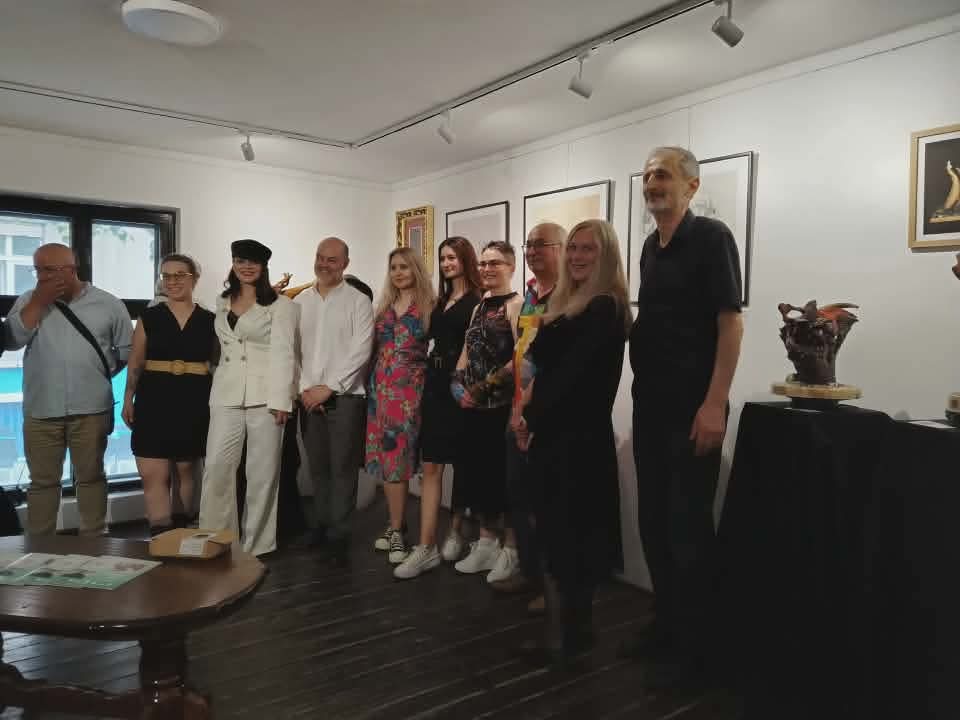
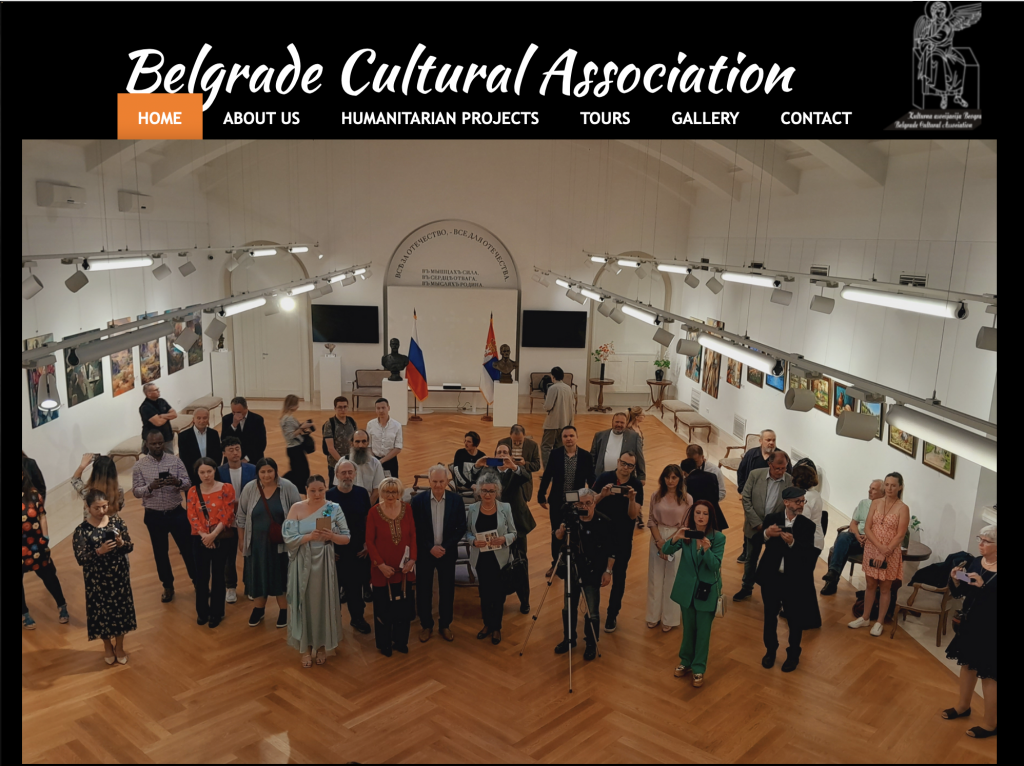
However, the participant reports that the first exhibition, while staged in a formally presented venue, took place without external audience attendance, independent media presence, or journalistic coverage.
Attendees, according to the account, largely consisted of organisers’ acquaintances and casual visitors rather than a curated or professional audience.
The participant further describes that schedules and locations began to change frequently during the programme, resulting in uncertainty regarding which elements formed part of the official itinerary.
RECURRING PATTERNS IDENTIFIED ACROSS MULTIPLE YEARS
Across several independent accounts, similar characteristics are repeatedly described:
last-minute changes to venues
absence of promised media and press coverage
lack of diplomatic or institutional attendance
limited or informal audience presence
short-duration exhibitions with minimal public engagement
In one instance, an exhibition reportedly lasted only a few hours in a café-like setting, with limited attention given to the artworks themselves.
THE ATHENS AUCTION – CENTRAL POINT OF DISPUTE
A key component of the programme was a proposed international auction in Athens.
According to participant accounts:
transport arrangements were initially presented as included, before being partially transferred to artists
travel between Serbia and Greece reportedly took over 20 hours by coach
artworks were transported without professional handling standards
Upon arrival in Athens, participants report:
being asked to leave the venue while the “auction” was being prepared
being informed upon return that the auction had already taken place
no visible audience, documentation, or evidence of a formal auction process
being told that buyers would contact artists individually
According to multiple accounts, such contact never subsequently occurred.
CORROBORATING TESTIMONY FROM 2026 PARTICIPANTS
Following earlier accounts, further statements have been provided by participants in the 2026 edition of the programme.
According to one account, international artists participating in the “Belgrade Art Salon & Athens Auction 2026” paid approximately €500 and travelled to Belgrade independently.
The programme was promoted as including:
international exhibitions
media and television coverage
attendance by diplomats and ambassadors
awards, including prizes of €5,000
transport to Greece (in some promotional materials described as private aircraft)
accommodation and logistical support
an art auction in Athens
However, according to the statement:
the programme schedule changed repeatedly during implementation
media and television coverage did not materialise
diplomats and ambassadors were not present
events were largely attended only by artists and organisers
The participant further reports that:
additional costs were introduced after arrival
logistical arrangements were altered multiple times
the Athens auction could not be independently verified
Several artists also report having contacted the gallery listed in Athens, Pandora Gallery, and in direct conversations were told that the gallery had no involvement in, and was not aware of, any auction or collaboration connected to the Belgrade Cultural Association.
This account is consistent with earlier testimonies from previous years.
IMPACT ON PARTICIPANTS
Across multiple accounts, artists describe:
significant financial losses
unexpected travel and accommodation costs
logistical difficulties regarding artwork transport
emotional and professional distress
a loss of trust in international residency programmes
In some cases, participants state that they discontinued planned artistic projects following their involvement.
IDENTIFIED PATTERN (2022–2026)
Based on the available testimonies, a recurring structure appears to emerge:
attractive recruitment messaging targeting international artists
relatively low initial participation fee
escalation of costs following arrival
absence of independent institutional or media presence
shifting schedules and programme structures
lack of verifiable sales or awards
limited post-event transparency or accountability
CONCLUSION – WHY THE PATTERN CONTINUES TO REPEAT
The accounts compiled in this article span several years and multiple countries, yet present a broadly consistent structure.
This is not framed as a single isolated incident, but rather as a recurring pattern described independently by different participants over time.
In several accounts, artists also describe restricted ability to publicly share their experiences after the programme concluded, including social media blocks or loss of access to organisational communication channels. This has, in practice, limited the visibility of participant accounts at the point when they might otherwise have reached wider public attention.
At the same time, new groups of artists continue to participate in similar programmes, often without access to consolidated historical accounts.
From an economic perspective, individual participation costs may appear relatively modest. However, when aggregated across multiple participants and editions, the cumulative sums become more significant, particularly when combined with additional unplanned expenses reported during the programmes.
The central issue, however, is not solely financial. The structure described in these accounts appears to rely on trust, professional ambition, and the expectation of international exposure — factors that are fundamental within the artistic community.
It is precisely this combination that makes such structures difficult to identify early and capable of repetition across multiple years.
The purpose of this article is not to draw definitive legal conclusions, but to document recurring accounts and highlight a pattern that, according to participants, has persisted across several iterations of the programme.
In the arts sector, where trust, openness, and professional aspiration are essential, awareness of such mechanisms becomes an important safeguard for future participants.
This Investigation Was Conducted By Rafael Drummer, Editor-In-Chief At Artistic Avenue, In Collaboration With Rafał Dobosz – International Visual Artist And Whistleblower.
Let This Be A Warning. Let This Be A Shield.
Let This Be The Last Time Someone Gets Away With This.
